

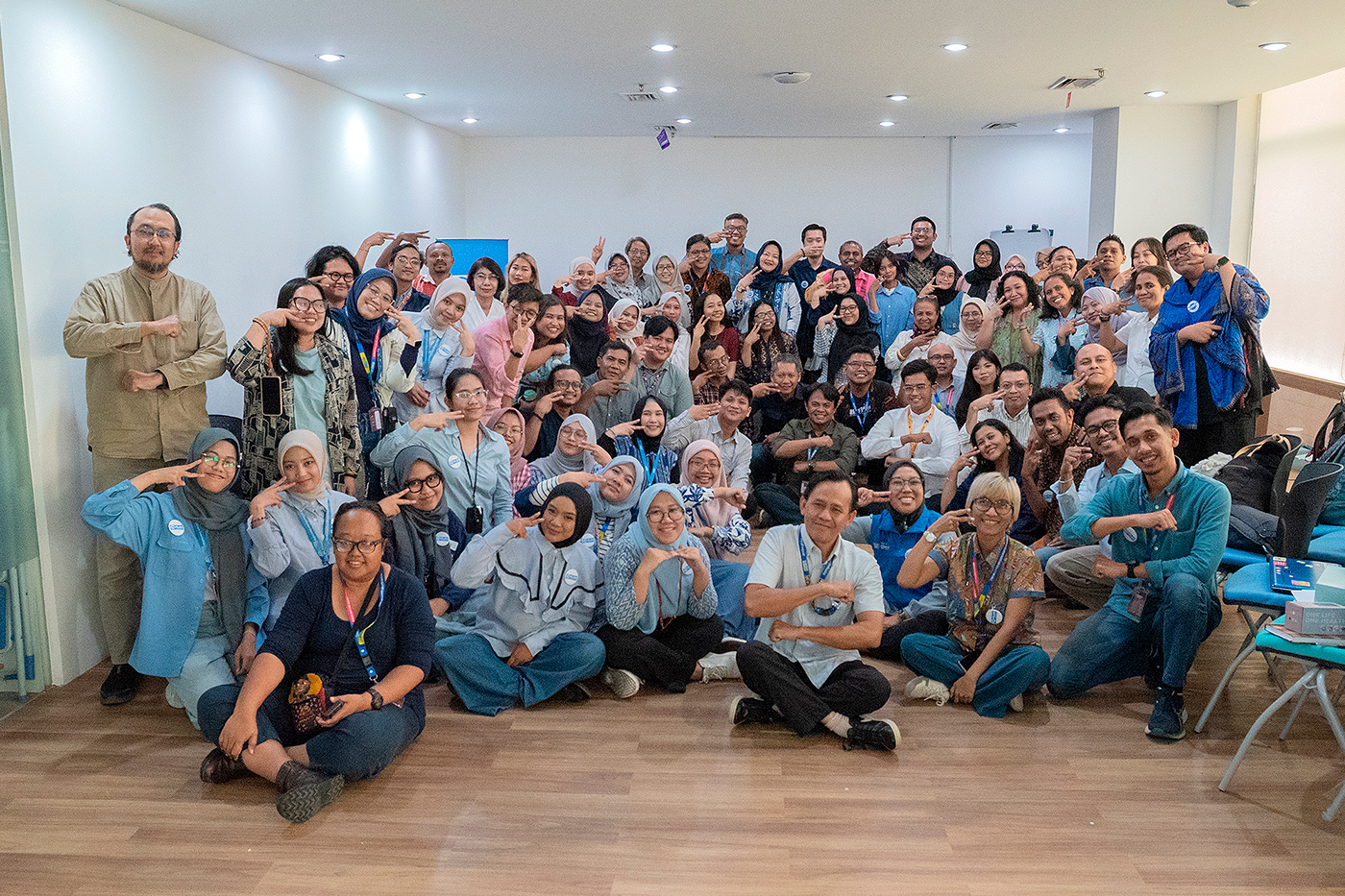
Sharing Spaces, Connecting Networks through ‘Partnership Knowledge Exchange and Learning’
12 June 2026
JAKARTA – Yayasan Plan International Indonesia (Plan Indonesia) hosted the Partnership Knowledge Exchange and Learning forum in Jakarta on Tuesday (9/6). This cross-sector forum invited various stakeholders, including government agencies, international organizations, local NGOs, and youth-led organizations, to collaborate and create concrete joint actions.
The Partnership Knowledge Exchange and Learning forum aims to share the extensive network privileges held by Plan Indonesia, making them accessible to local partners. Through this initiative, all participating parties are expected to connect, exchange experiences, and grow together.
“We want to pass on this networking opportunity because we possess that privilege. In the past, single issues might have been manageable on our own. Today, however, challenges are increasingly complex and absolutely demand collaboration. This is an initiative to solve issues together. But first, we must get to know one another and learn. We must learn together to work together,” explained Muchammad Umam, Director of Program Quality Development & Partnership at Plan Indonesia, during his opening remarks.
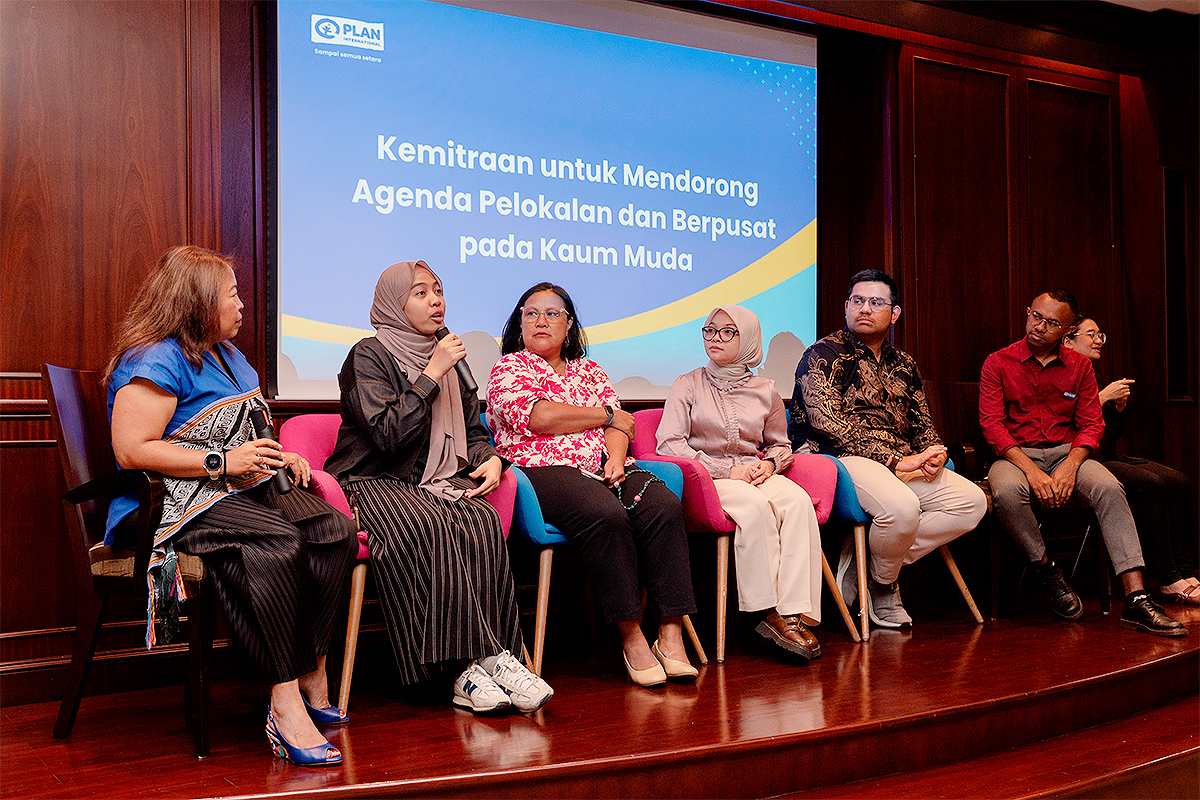
The event proceeded with an engaging talkshow session moderated by the Executive Director of Plan Indonesia, Dini Widiastuti, alongside Yoris, an alumnus of the Youth Advisory Panel (YAP). This session brought forward rich perspectives from youth speakers, including Alya (YAP Plan Indonesia), Ervina Dian Irawati (kawula17.id), Rafsi Albar (IIER), and Kanaya Malika (Youth Advocate).
During the session, the young speakers shared pressing concerns from their respective regions. They highlighted that challenges faced by youth are often discussed without their representation, leading to ineffective solutions. The discussion served as a vital reminder that youth participation must not be merely formalistic or tokenistic. Young people must be empowered first so they can meaningfully voice their aspirations. Therefore, their involvement is absolutely crucial from the very beginning—spanning the planning, implementation, and evaluation phases.
The atmosphere of equality became even more palpable during the World Cafe session. This interactive segment facilitated seven local partners from various regions to share their success stories, challenges, and avenues for collaboration. The seven partners were Kapal Perempuan, Teens Go Green, Youth Accelerator Fund, Yayasan Bina Sejahtera Baru, the Center for Vocational Training and Productivity (BBPVP), Muhammadiyah Disaster Management Center (MDMC), and Jurnal Perempuan.
One inspiring narrative came from Depok-based Teens Go Green. They shared their vision for the planet’s future through a structured environmental movement: building a green mindset among youth, honing it into green skills, and ultimately preparing them to enter the green jobs market.
Meanwhile, a story from Eastern Indonesia was brought by Yayasan Bina Sejahtera Baru (YBS Baru), which took participants on a journey to the coastal area of Lembata, East Nusa Tenggara (NTT). They shared the story of MURO, a traditional local wisdom system implemented to rescue marine ecosystems previously damaged by destructive fishing practices. Through MURO, villagers agreed to periodically close off certain marine areas, allowing coral reefs and mangroves to regenerate while creating a safe breeding ground for fish.
In addition to the World Cafe, partners also participated in in-depth discussions through three parallel Thematic Partnership Clinics. The classes consisted of Clinic 1: “Reporting Organizational Contributions to Bappenas SDGs”, Clinic 2: “Financial Sustainability for Organizations”, and Clinic 3: “GEDSI and Safeguarding: Organizational Sustainability and Creating a More Inclusive Organization”.
In these clinic sessions, partners exchanged insights with expert speakers from Filantropi Indonesia, the National Secretariat of Bappenas SDGs, Bina Swadaya, the Christian Association of Persons with Physical Disabilities (PERSANI) NTT, and Dreamity. Clinic 3, in particular, focused heavily on the challenges faced by persons with disabilities, who are frequently treated merely as beneficiaries or box-ticking data in project documents, without ever being invited to co-design their own future due to misconceptions about their capabilities.
The forum proved that when safe and equal spaces are opened, the potential of youth and marginalized groups becomes limitless. This sentiment was echoed by Kinara from Dreamity.
“In this event, youth are truly positioned as collaborators. In many other spaces, we are often treated merely as formal representatives who aren’t really engaged in the conversation and aren’t perceived to have genuine expertise,” Kinara expressed.
Moving forward, Plan Indonesia encourages all participating partners to remain committed to staying connected. This forum is envisioned to return in the future, with a goal of positioning the partners who attended today as co-creators who help design change together right from the start.


