

Real Steps for Healthy Indonesia: Fun Run for Clean Water Access in NTT and NTB
28 September 2024
Bogor, September 28, 2024 – In many areas of West Nusa Tenggara (NTB) and East Nusa Tenggara (NTT), people with disabilities face major obstacles due to the lack of clean water. They, along with children and other villagers, must buy or queue for hours to get water every day. Even the travel routes are often unsafe and there are additional costs if they have to buy water. This doubles their burden and narrows the space for a healthy and empowered life.
“Flash floods and droughts have increased in recent months, people with disabilities are among the most affected and left behind when it comes to water and sanitation,” said Baiq Hadijah, one of the participants of the Water for Women program, Yayasan Plan International Indonesia (Plan Indonesia).
Therefore, three influencers: Anjasmara Prasetya, Diah Palupi, and Putu Sutha were moved to raise funds and help communities in providing clean water in villages in need in NTB and NTT.
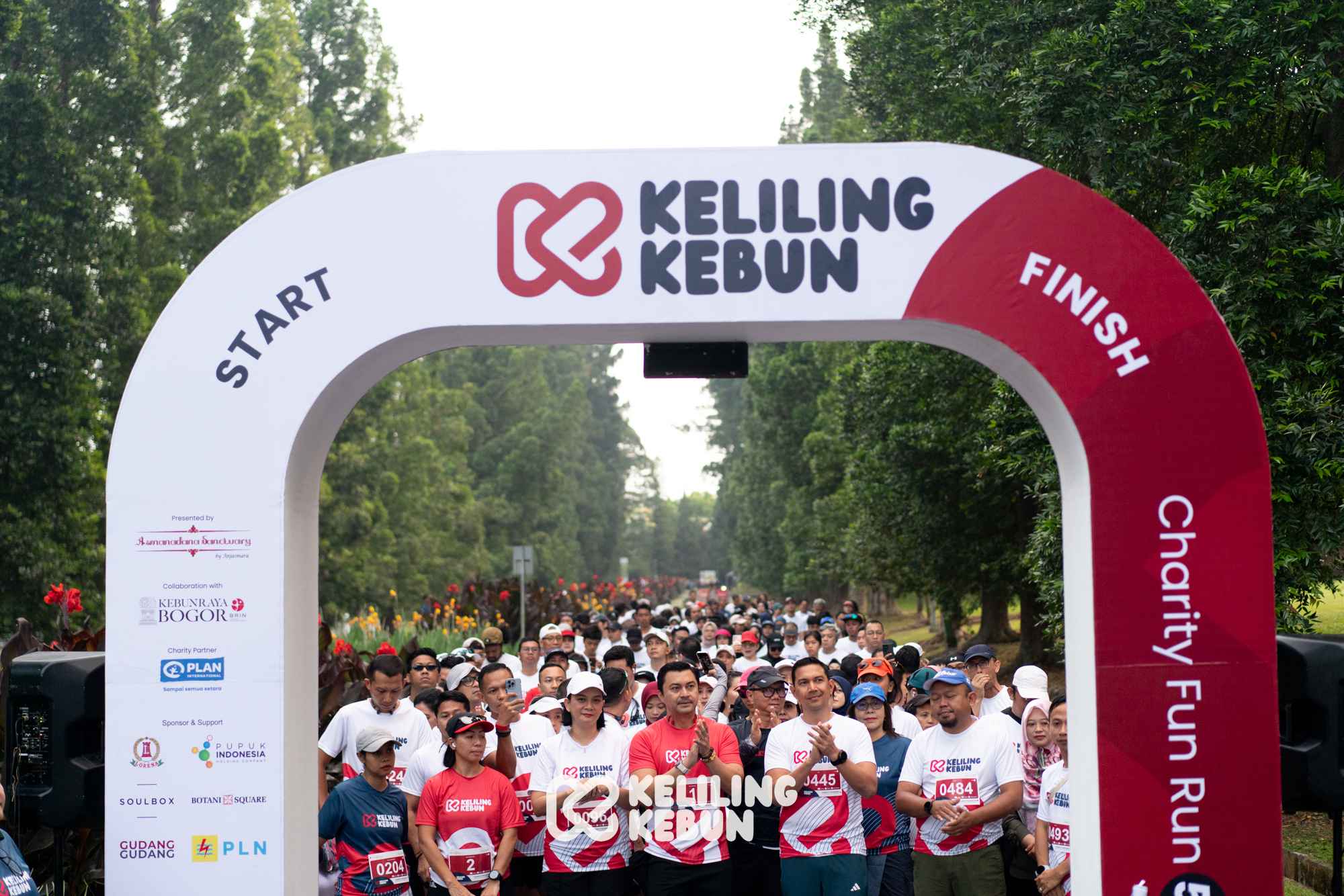
In collaboration with the Bogor Botanical Garden, initiated a 5K Charity Fun Run with the theme “Keliling Kebun” involving 600 runners through the Bogor Botanical Garden today, Saturday (28/9) starting at 06.00 WIB. Through Plan Indonesia, all proceeds from this event will be used to build clean water facilities in the form of drilled wells or installation of clean water distribution lines from water sources / springs channeled to each resident’s house, or other methods that are felt to be more suitable for the target village.
”My manager, Diah Palupi, went to NTT some time ago, and after returning from there she told me about the conditions in many NTT villages that do not have clean water facilities. This moved me to create a fundraising campaign to help build clean water facilities in villages in need. One of the things we thought of was a fundraising campaign while running fun or fun run. This activity is easy for everyone to participate in, so hopefully more people will want to help,” said Anjasmara.
Linda Sukandar, Director of Resource Mobilization, Plan Indonesia said that they welcomed this initiative. ”We are very grateful to mas Anjas, mbak Diah, and bli Sutha for initiating and raising funds to help children in NTT and NTB to get clean water. Hopefully this initiative can inspire and encourage more support from the community. So that our target this year to bring accessible clean water access in at least 3 villages in NTB and NTT can be realized.”
By bringing access to clean water closer to the community, children in the target villages no longer need to walk far to fetch clean water, and get their right to play and learn like other children.
Lack of Clean Water in NTB and NTT
In NTT and NTB, part of the population is located in areas that have a sloping and rocky geography and experience a long dry season and low rainfall. As a result, the problem of clean water has become a deep-rooted issue in the lives of its residents.
Starting from the location of water sources far from settlements, water sources that dry up in the dry season to climate change that makes clean water sources increasingly scarce. Every day, residents in villages where clean water is scarce, have to walk through steep hills or through unsafe paths, especially for children & women.
The length of the journey or the queue at the water source makes them often have to walk until dusk. This condition makes them vulnerable to sexual violence.
The clean water and sanitation crisis is a heavy burden for women, who are still responsible for the availability of clean water at home for cooking, washing & drinking needs. With this responsibility, many of them have their education aspects disrupted and are threatened with being married off at a young age due to the low family economy.
Research results from IRGSC researchers in 2022 showed that residents of Kupang City, NTT spend 17-40 percent of their income to buy water from various sources. This is inversely proportional to other cities that only spend a maximum of 10 percent of their income on clean water.
NTB, especially Lombok, also has a long dry season and low rainfall, so groundwater sources are limited. In addition, the hilly terrain makes it difficult to distribute clean water to all areas. The clean water pipeline network in Lombok still does not reach all areas, especially in rural areas.
During the dry season, most residents rely on rainwater or buy it, which of course burdens household costs. Limited access to clean water has an impact on poor sanitation, making people vulnerable to all kinds of diseases.


