

Over 25,000 Children Face Education Disruption After Indonesia Earthquake Damages 512 Schools
18 August 2026
Jakarta, 18 August 2026 — The earthquake that struck Indonesia’s Flores Island over the weekend has put the education of more than 25,000 children at risk warn Plan International. . Preliminary assessments by the National Secretariat’s Safe School Unit shows that 512 schools were affected, with 166 schools and 478 classrooms sustaining severe damage, forcing widespread disruption to children’s learning.
“In an emergency, children must not lose their right to learn. When schools are damaged, we need to provide alternatives so that their learning can continue. When teachers and children are both affected, both need support and when schools are damaged, repairs must begin as quickly as possible,” said Dini Widiastuti, Executive Director of Plan International in Indonesia.
The impact of an earthquake on children extends far beyond physical damage. When schools are no longer safe or accessible, children lose vital spaces to learn, play, socialise and receive support from teachers and peers. Disrupted routines and prolonged uncertainty can also take a significant toll on children’s mental health and wellbeing, making it harder for them to recover and regain a sense of normality after a disaster.
“At night, when we try to sleep, we have to make do with whatever we have, sleeping only on tarpaulins in the cold. My schools have also been damaged, so I cannot go to school, I feel scared and sad” said Rina, a 10-year-old girl living in a temporary shelter.
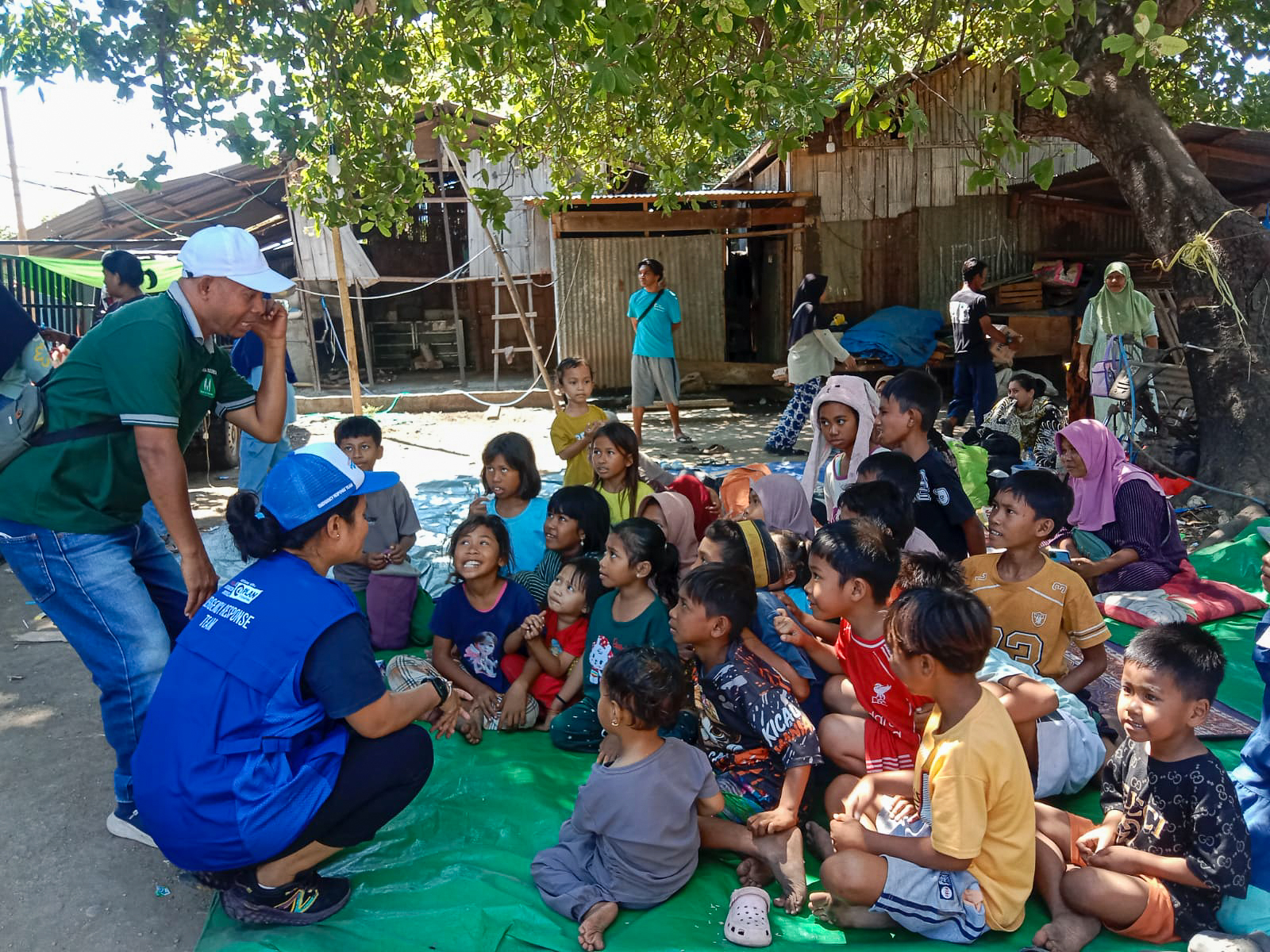
Since the first day following the earthquake, Plan International in Indonesia has been responding in several affected areas across Flores to address the needs of survivors, particularly children and vulnerable groups.
“We have been providing essential support to affected families, including clean water, food, family hygiene kits, menstrual hygiene supplies and emergency shelter items. We are also working to provide children with learning and play materials so they can begin to regain a sense of normality following this disaster.
An earthquake strikes in seconds, but the impact on a child’s education can last for months or even years. That is why education cannot be treated as an afterthought. Helping children return to learning and creating safe spaces for them must be part of the response from the earliest stages of an emergency,” said Widiastuti .
Plan International in Indonesia has conducted rapid needs assessments and distributed hundreds of emergency relief packages to several evacuation sites in Manggarai, East Manggarai, Nagekeo, Ngada, and Sikka.
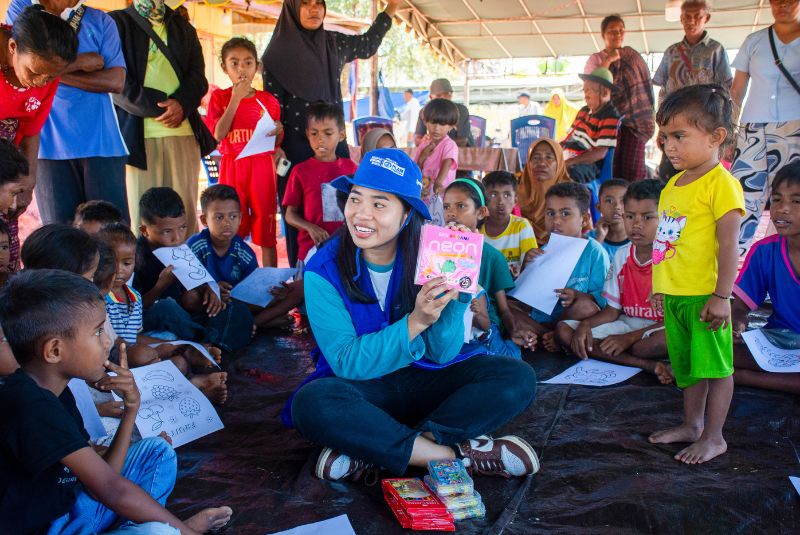
Teams have also provided psychosocial support to hundreds of children in evacuation sites. The activities are designed to help children cope with the stress and fear caused by the earthquake, while providing a safe space for them to play, interact with their peers, and begin rebuilding their sense of safety.
Plan International in Indonesia continues to coordinate closely with the Education Cluster, led by the Ministry of Primary and Secondary Education, and key stakeholders to ensure that the educational needs of affected children are incorporated into the humanitarian response and recovery efforts. By supporting the restoration of learning and safe spaces for children, we aim to minimise disruption to education and support children’s wellbeing following the disaster.


